10 Best U.S. National Parks: Fast Facts Trip Planner
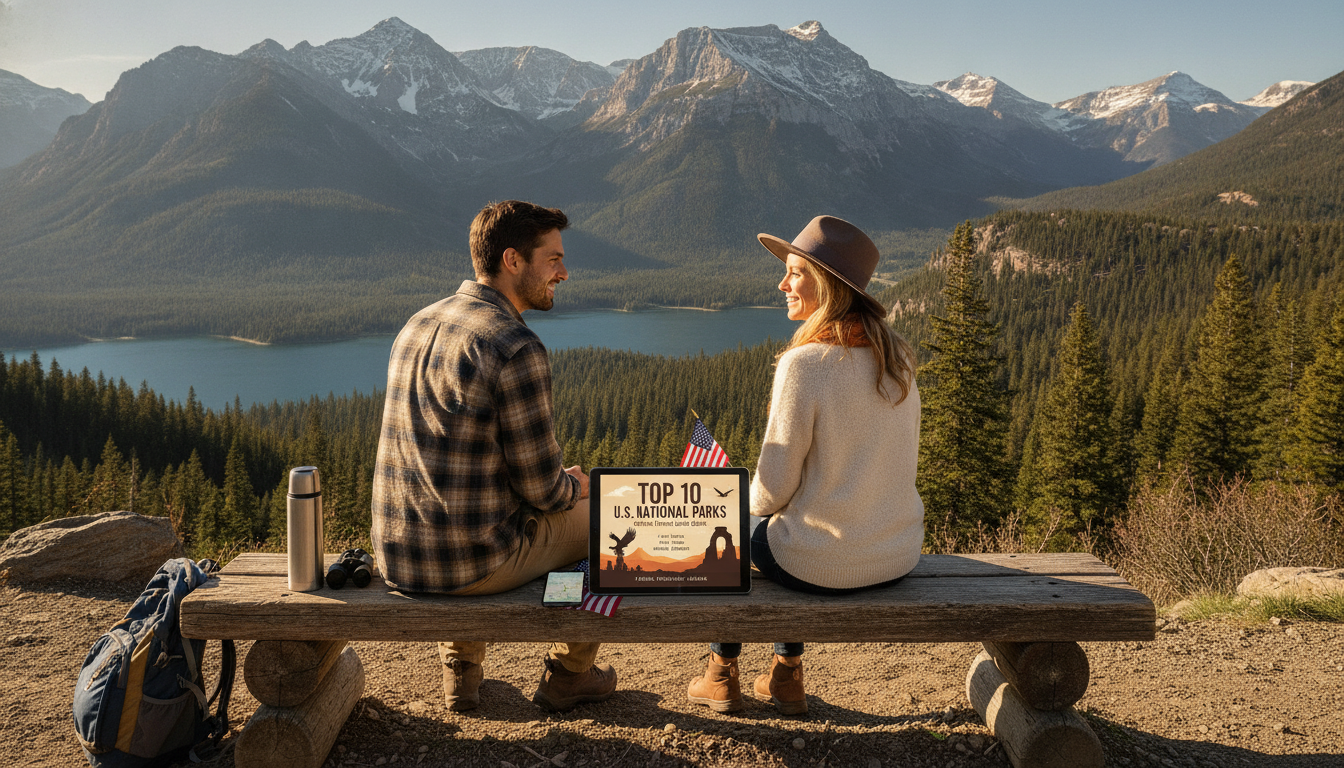
Top 10 Must-See U.S. National Parks + Fast Facts: A Quick-Plan Digital Guide for Hikers and Adventure Planners
Planning a national park trip doesn’t have to mean juggling endless tabs and half-finished itineraries. A “fast facts” approach helps you pick the right park for your dates, compare the real-world logistics (drives, shuttles, timed entry), and build a hike-ready plan with backups for weather, smoke, or fatigue. The goal: spend more time on trails and overlooks—and less time second-guessing decisions from the driver’s seat.
What “fast facts” planning looks like
- Start with constraints: travel dates, trip length, elevation tolerance, and preferred activities (day hikes, scenic drives, photography, wildlife viewing).
- Compare what actually changes your day: weather window, signature sights, crowd level, permit needs, and drive times between key areas.
- Keep a two-layer plan: a must-do list for perfect conditions plus backups for storms, closures, or low energy.
- Limit anchors: aim for 1–2 “anchors” per day (a top hike + a viewpoint/sunset), then leave buffer time for parking, shuttles, and trailhead delays.
Quick compare: 10 iconic parks and the planning facts that matter
| National Park | Best for | Typical sweet spot (season) | Crowd/permit notes | A solid “first trip” plan |
|---|---|---|---|---|
| Yosemite | Granite viewpoints, waterfalls, classic hikes | Late spring for waterfalls; fall for fewer crowds | Expect heavy peak-season congestion; some areas may require reservations | Valley viewpoints + one signature hike + sunset at a high overlook |
| Grand Canyon | Rim views, geology, big-day hikes | Spring/fall for comfortable temps | Inner-canyon hiking requires heat planning; lodging books early | Rim trail segments + sunrise + a short descent (turn around early) |
| Zion | Canyon hikes, narrows, dramatic cliffs | Spring/fall for temps and water levels | Shuttles/permits may apply; flash-flood awareness for narrows routes | One canyon classic + one scenic drive stop + early starts |
| Yellowstone | Geysers, wildlife, boardwalk loops | Late spring to early fall (roads open) | Traffic and wildlife jams are common | Geyser basin morning + wildlife evening + midday scenic loop |
| Grand Teton | Alpine lakes, peaks, photography | Summer for high trails; fall for color and crisp air | Popular trailheads fill early | Lakeshore hike + sunrise viewpoint + short scenic drive stops |
| Glacier | Glacial valleys, high passes, big views | Mid-summer to early fall (road access) | Road access may require timed entry; check closures | One Going-to-the-Sun corridor day + one moderate hike |
| Rocky Mountain | High-elevation trails, tundra, elk | Summer for access; fall for wildlife viewing | Timed entry can apply; altitude impacts pacing | Acclimation day + one alpine lake hike + scenic road overlooks |
| Arches | Sandstone arches, short-to-moderate hikes | Spring/fall to avoid heat | Timed entry may apply; midday heat is serious | Early delicate-arch-style hike + midday shade break + sunset viewpoint |
| Acadia | Coastal hikes, carriage roads, sunrise | Late spring to early fall | Parking fills fast; some roads may require reservations | Sunrise peak + coastal loop + easy afternoon bike/walk |
| Great Smoky Mountains | Waterfalls, forests, wildlife, easy access | Spring for blooms; fall for color | Very popular; weekend traffic and parking are key issues | Waterfall morning + scenic drive stops + short ridge hike |
Pick the right park for the trip you actually have
- For a 2–3 day weekend: choose compact parks or commit to a single corridor (one main road/valley with nearby trailheads).
- For a 4–7 day trip: pick 2–3 zones inside one park instead of chasing every highlight—less driving, more hiking.
- If hiking is the priority: favor parks with early-start trailheads, clear shuttle/parking systems, and multiple difficulty tiers for backups.
- If photography is the priority: build around sunrise/sunset overlooks, then add midday “texture” scenes (forests, waterfalls, geyser steam).
- If your group has mixed fitness levels: plan a daily split (one moderate hike + one accessible viewpoint loop) so no one feels stuck.
A simple day-by-day framework that reduces stress
Trail-ready essentials and safety checks
For official planning basics and up-to-date alerts, start with the National Park Service trip planning hub. For permits, timed entry, and many backcountry reservations, check Recreation.gov. For low-impact travel habits, review the Leave No Trace Center for Outdoor Ethics.
Permits, reservations, and crowd-smart timing
Digital guide use: turn fast facts into an itinerary in 20 minutes
Helpful digital tools you can download before you hit the road
- Digital Literacy for Everyday Life | Digital Skills Guide PDF, Safe Internet Use, Online Communication Etiquette, Tech Confidence eBook, Digital Competence Checklist (useful for offline downloads, account logins, and safer WiFi habits while traveling).
- Build Wealth with Passive Income Ideas | Digital Download PDF eBook | Financial Freedom Roadmap | Side Hustle to Passive Income | Beginner-Friendly Instant Download | Money & Finance Planner & Checklist (handy for trip budgeting checklists and prioritizing what’s worth paying for—like timed-entry dates or peak lodging).
- 4K WiFi Projector with Dual Screen & Android OS (a practical option for previewing maps, routes, and photo plans on a bigger screen before departure).
FAQ
Which national park is best for a first-time hiker planning a short trip?
Pick a park with multiple short-to-moderate hikes clustered near one main area, dependable road access, and plenty of backup options if weather shifts. Plan one anchor hike per day and start early to avoid parking and heat.
How far in advance should reservations or permits be checked?
Check as soon as your dates are known, because timed entry, shuttle tickets, and popular lodging can sell out early and rules can change by season. Re-check again the week of travel for alerts and last-minute closures.
What should be in a simple “fast facts” packing list for national parks?
Bring water, layers, sun protection, snacks, a basic first-aid kit, and downloaded offline maps/navigation. Add a clear weather and wildlife plan: know turnaround times, carry a charged phone/power bank, and keep a respectful viewing distance.






Leave a comment